Medication-Assisted Treatment (MAT) is the gold standard in addiction medicine. It combines FDA-approved medications with counseling and behavioral therapies to create a complete approach to recovery. This method treats substance use disorders (specifically opioid and alcohol addiction) by addressing the biological, psychological, and social aspects of the disease at the same time. MAT recognizes addiction as a chronic medical condition that needs clinical intervention to stabilize brain chemistry and support long-term healing.
For many people dealing with addiction, learning how medication supports recovery becomes the breakthrough moment. By alleviating withdrawal and reducing cravings, MAT allows individuals to engage more fully in therapeutic work. At Pegasus Treatment Center, we integrate these medical protocols as part of our comprehensive addiction treatment services.
What is MAT?
Medication-Assisted Treatment, often referred to by the acronym MAT or MOUD (Medications for Opioid Use Disorder), is the strategic use of medications combined with counseling and behavioral therapies to provide a “whole-patient” approach to treating substance use disorders.
The primary goal of MAT is to normalize brain chemistry, block the euphoric effects of alcohol and opioids, and relieve physiological cravings. This stabilization lets patients function normally and focus on recovery without constant withdrawal symptoms.
The three core components of MAT include:
- FDA-approved medications: These pharmaceutical interventions target specific receptors in the brain to manage physical dependence.
- Counseling: Individual and group sessions help address the psychological roots of addiction and trauma.
- Behavioral therapies: Evidence-based practices like Cognitive Behavioral Therapy (CBT) build coping mechanisms and resilience.
A pervasive myth suggests that MAT is simply “replacing one addiction with another.” This misunderstands addiction pharmacology. When taken as prescribed under medical supervision, these medications do not produce a “high” or impairment. Instead, they restore balance to the brain’s circuitry, helping people regain control over their lives.
How Does MAT Work?
MAT operates on the biological level to counteract the changes addiction causes in the brain. Chronic substance use alters the brain’s reward system. When someone stops using drugs or alcohol, the brain experiences a severe deficit, leading to intense cravings and painful withdrawal symptoms that often trigger relapse.
MAT medications interact with the same brain receptors as addictive substances, but safely and in a controlled way. They stabilize the brain by occupying these receptors without triggering the dangerous cycle of intoxication and withdrawal.
The mechanism of action typically involves:
- Agonists: Fully activating the opioid receptors to prevent withdrawal (e.g., methadone).
- Partial Agonists: Activating receptors to a lesser degree to reduce cravings without full euphoric effect (e.g., buprenorphine).
- Antagonists: Blocking receptors entirely to prevent the substance from having an effect (e.g., naltrexone).
Medication manages the biological side, but therapy is equally important. Counseling helps patients identify triggers and emotional patterns contributing to substance use. By treating both physical and psychological aspects simultaneously, MAT builds a strong foundation for lasting recovery.
Who is Best Suited for Medication-Assisted Treatment?
Doctors determine MAT eligibility after a thorough medical evaluation. The assessment examines addiction severity, substance used, medical history, and personal recovery goals. At Pegasus Treatment Center, our board-certified addiction medicine physicians conduct comprehensive screenings to ensure MAT is appropriate for each client.
Doctors consider MAT the first-line treatment for Opioid Use Disorder (OUD), which includes dependence on heroin, fentanyl, and prescription painkillers.
MAT stabilizes patients and breaks the cycle of seeking and using opioids, allowing them to focus on therapy and rehabilitation.
Alcohol Use Disorder (AUD) also responds well to MAT. The medications differ from those used for opioids, but the principle is the same: reduce the physical drive to drink. FDA-approved medications for AUD can decrease drinking frequency and increase abstinence likelihood.
Many people seeking addiction treatment also struggle with co-occurring mental health conditions like depression, anxiety, or PTSD. For these dual diagnosis clients, MAT can be a crucial part of an integrated care plan. MAT can be crucial for these dual diagnosis clients.
Benefits include:
- Stabilization: Managing addiction symptoms allows clearer assessment of mental health needs.
- Integrated Care: Treating both conditions simultaneously prevents one from undermining the other.
Pegasus Treatment Center specializes in this integrated approach, coordinating medication management with psychiatric care.
MAT often begins during inpatient care and continues as clients transition to outpatient settings. Clients moving to our programs—such as Partial Hospitalization (PHP) or Intensive Outpatient (IOP)—benefit from the ongoing stability MAT provides.
Which Addictions Can MAT Treat?
The FDA has approved MAT medications specifically for treating opioid and alcohol use disorders. These conditions have the strongest evidence for pharmaceutical intervention.
The opioid crisis has made MAT essential for public health. The medications used (methadone, buprenorphine, and naltrexone) are proven to save lives.
Key outcomes include:
- Reduced illicit use: Patients are less likely to seek street drugs.
- Lower transmission rates: Decreased injection drug use reduces HIV and Hepatitis C spread.
- Social stability: Improved ability to maintain employment and family responsibilities.
For alcohol addiction, medications like naltrexone, acamprosate, and disulfiram support recovery in different ways. Some reduce alcohol’s rewarding effects; others create physical deterrents.
MAT provides a safety net helping the brain recover from chronic alcohol toxicity, making it easier to engage in psychological recovery work.
MAT is highly effective for prescription opioid dependence. However, for benzodiazepines (Xanax, Valium), treatment typically involves medically supervised tapering. For stimulant use disorders (cocaine, methamphetamine), there are no FDA-approved MAT medications; treatment relies on behavioral therapies.
Benefits of MAT for Addiction Treatment
Clinical research consistently shows that MAT improves survival rates, treatment retention, and quality of life. These benefits create a strong foundation for individuals to build a healthier, more stable future.
By quieting cravings, MAT gives individuals mental space to apply coping skills learned in therapy.
With potent synthetic opioids like fentanyl on the streets, relapse can be fatal. =
Patients receiving MAT are significantly more likely to remain in treatment compared to those receiving therapy alone. This extended engagement gives the brain time to heal and allows new behavioral changes to take root.
Improvements often seen include:
- Employment: Higher rates of gaining and keeping jobs.
- Legal Status: Reduced criminal justice involvement.
- Family Dynamics: Improved participation in family life.
- Mental Health: Better stability and mood regulation.
MAT Medications and How They Work
The FDA has approved three primary medications for treating opioid dependence. Each one has a unique profile and mechanism of action to support recovery.
Buprenorphine is a partial opioid agonist that binds to opioid receptors but activates them less fully than heroin.
Key characteristics:
- Ceiling Effect: Effects plateau at moderate doses, lowering misuse and overdose risk.
- Craving Reduction: Effectively diminishes cravings and withdrawal symptoms.
- Accessibility: Certified physicians can prescribe it in office-based settings.
Methadone is a full opioid agonist used for decades to treat opioid addiction. It fully activates opioid receptors, eliminating withdrawal and cravings without producing rapid highs.
Key characteristics:
- Long-Acting: A single dose works for 24 to 36 hours.
- Structured Delivery: Typically dispensed through specialized Opioid Treatment Programs (OTPs).
Naltrexone is an opioid antagonist that blocks receptors entirely rather than activating them.
Key characteristics:
- Blocking Effect: Prevents opioids from producing euphoric effects.
- No Physical Dependence: Not an opioid and doesn’t cause dependence.
- Versatility: FDA-approved for both opioid and alcohol use disorders.
- Formulations: Available as daily pill or monthly injection (Vivitrol).
MAT Integration with Counseling and Behavioral Therapy
Medication stabilizes the brain; therapy heals the person. At Pegasus Treatment Center, we integrate medical care with robust psychotherapeutic support.
| Therapy Type | Focus | MAT Integration |
|---|---|---|
| Cognitive Behavioral Therapy (CBT) | Identifying and changing negative thought patterns | Develops coping strategies for triggers and medication adherence. |
| Dialectical Behavior Therapy (DBT) | Emotional regulation and distress tolerance | Teaches skills to manage intense emotions. |
| Group Therapy | Peer support and shared experience | Reduces stigma and builds accountability. |
| Family Therapy | Relationship repair and education | Educates loved ones about MAT science. |
MAT at Pegasus Treatment Center
At Pegasus Treatment Center, we combine evidence-based medical care with a supportive treatment environment. Our Willingboro, New Jersey facility provides dignity, comfort, and privacy.
Our MAT program features:
- Medical Excellence: Board-certified addiction medicine physicians oversee all MAT protocols.
- Continuum of Care: MAT integrates across all outpatient levels, including PHP and IOP.
- Luxury Amenities: Full gym, private spa services, movie theater, and recreational areas support holistic wellness.
- Dual Diagnosis Expertise: Psychiatrists and licensed therapists treat co-occurring disorders with equal priority.
We offer out-of-network and private payment options for professionals seeking high-quality, discreet addiction medicine.
MAT Program at Pegasus Treatment Center
Breaking free from addiction is courageous, and you don’t have to do it alone. Medication-Assisted Treatment offers a scientifically proven path to stability and long-term sobriety.
At Pegasus Treatment Center, we provide compassionate, evidence-based care in an environment that honors your dignity. If you or a loved one is struggling with opioid or alcohol dependence, our team is here to help.
Contact Pegasus Treatment Center today for admissions and insurance verification. Let us help you start your journey toward a healthier, substance-free future.
Frequently Asked Questions about MAT
No. MAT medications are prescribed at controlled dosages to stabilize brain chemistry without producing a “high.” They let people function normally, hold jobs, and participate in family life—the opposite of active addiction.
There is no set timeline, as treatment is individualized based on a patient’s progress and needs. The duration is determined collaboratively by the patient and their doctor.
Common side effects may include nausea, constipation, drowsiness, or headache. These symptoms often subside as the body adjusts and can be managed with medical supervision.
Yes, most insurance plans cover MAT as an essential health benefit, including medication, counseling, and physician visits. Our admissions team can verify your specific benefits.
Absolutely. MAT helps individuals return to fully functional lives by stabilizing brain chemistry without causing intoxication, allowing them to work and perform daily tasks safely.
Stopping abruptly can cause cravings and withdrawal symptoms, increasing relapse risk. Discontinuation should always be done gradually under medical supervision.
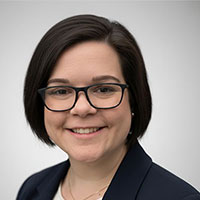
Born and raised in New Jersey, Rebecca is a Licensed Social Worker (LSW) with a deep commitment to supporting individuals and families through life’s most challenging seasons. With a strong clinical background in hospital-based case management, she brings valuable experience from a wide range of healthcare and community settings. As a licensed social worker, Rebecca is known for her compassionate, client-centered approach, strong advocacy skills, and calm presence during times of crisis. Whether helping clients navigate complex systems or providing emotional support, her work is grounded in empathy, professionalism, and a genuine passion for improving lives.