
An intensive outpatient treatment program (IOP) is a structured treatment option designed for individuals who need more support than traditional outpatient therapy but do not require 24-hour supervision. IOPs typically involve several hours of therapy and counseling each week, focusing on both group and individual sessions. The core principles of IOP include evidence-based care, individualized treatment planning, and a strong emphasis on relapse prevention and skill-building.
How Does IOP Differ from Inpatient and Partial Hospitalization Care
Unlike inpatient programs, our IOP does not require participants to live at the treatment facility, allowing them to return home after sessions. Compared to partial hospitalization programs (PHP), IOPs require fewer hours of treatment per week, making them ideal for those who need significant support but can manage some daily responsibilities. This flexibility makes IOPs a popular choice for people transitioning from higher levels of care or those seeking intensive help without full hospitalization.
Common Conditions Treated in IOP
Pegasus's IOP treats alcohol addiction, opioid and prescription drug dependence, cocaine and methamphetamine use, and benzodiazepine addiction, alongside co-occurring conditions such as anxiety and depression. Because addiction and mental health are treated together rather than separately, clients don't have to choose which comes first; our clinical team addresses both from day one.
Benefits of Intensive Outpatient Care
Intensive outpatient care offers the structure and support needed for recovery while allowing individuals to maintain work, school, and family commitments. Our clients keep their jobs, stay in school, and stay connected to family while working through a full clinical schedule. Regular therapy, peer support, and access to our on-site clinical team happen on a schedule built around your life, not the other way around. Pegasus also fosters a close peer community, so clients build real accountability and connection as they progress through treatment.
Who Pegasus’s IOP is Right For
IOP is ideal for individuals who need more support than weekly therapy but do not require inpatient care. This includes people stepping down from residential treatment, those with stable living environments, and individuals motivated to engage in recovery. IOPs are also suitable for those who need to balance treatment with daily responsibilities. If you need a lighter level of care, our standard outpatient program in New Jersey may be the better starting point.
Signs You May Need an IOP
If you’re struggling to manage symptoms of addiction or mental health issues despite outpatient therapy, or if you’ve experienced a recent relapse, an IOP may be the right next step. Other signs include difficulty maintaining sobriety, increased mental health struggles, or a need for more structured support. Early intervention through IOP can prevent further deterioration and promote lasting recovery.
IOP for Adults and Families
Pegasus's IOP is designed for adult clients, with family involvement built into the process wherever it helps. Family sessions and education are part of how we work toward a supportive home environment for clients after treatment ends. Family therapy and education are often integral parts of the IOP process, fostering healing for everyone affected.IOP for Substance Use and Mental Health Disorders
IOPs are effective for treating both substance use and mental health disorders, including dual diagnosis cases. Our programs are tailored to address the specific challenges of each condition, using evidence-based therapies and integrated care. This comprehensive approach ensures that all aspects of a person’s well-being are addressed.Evidence-Based Therapies Offered in Our IOP
Therapy is included in every level of care at Pegasus.
Cognitive Behavioral Therapy (CBT) is a cornerstone of treatment at Pegasus, helping clients recognize destructive thought patterns and replace them with healthier coping skills. Our clinicians combine CBT with our MAT program and holistic care, so clients get one coordinated approach rather than therapy in isolation.
Dialectical behavior therapy (DBT) focuses on building emotional regulation, distress tolerance, and interpersonal effectiveness. It is especially helpful for individuals with mood disorders, self-harm behaviors, or difficulty managing intense emotions. DBT is often delivered in both group and individual formats within IOPs.
Group counseling provides peer support, accountability, and shared learning experiences, while individual therapy allows for personalized attention and goal setting. Both formats are essential components of IOP, with individual therapy sessions helping create a balanced approach to recovery. Group sessions foster community, while individual sessions address unique challenges.
Family therapy helps repair relationships, improve communication, and educate loved ones about addiction and mental health. Involving family members in treatment can enhance outcomes and provide a stronger support system. Many IOPs offer regular family sessions and educational workshops.
Relapse Prevention is a key focus of IOP at Pegasus, equipping clients with tools to identify triggers, manage cravings, and build healthy routines. Skills training, ongoing support, and aftercare planning all carry into life after treatment ends.
Medication-Assisted Treatment (MAT) in IOP
Medication-Assisted Treatment (MAT) combines FDA-approved medications with counseling and behavioral therapies to treat substance use disorders. MAT is especially effective for opioid and alcohol dependence, reducing cravings and withdrawal symptoms. This integrated approach supports long-term recovery and lowers the risk of relapse.
Medications Commonly Used in IOP
Depending on clinical need, Pegasus's medical team may prescribe buprenorphine, methadone, or naltrexone for opioid use disorder, and acamprosate or disulfiram for alcohol use disorder. Every medication is monitored by our prescribing physicians and psychiatrists as part of the broader treatment plan, always combined with therapy.
Integrating MAT with Therapy
MAT is most effective when combined with evidence-based therapies such as CBT and group counseling. This integrated approach addresses both the physical and psychological aspects of addiction. Participants receive medical monitoring, therapy, and support in a coordinated manner.
MAT for Opioid and Alcohol Use Disorders
Pegasus's approach to MAT reflects New Jersey's statewide push to expand access to medications for opioid use disorder across all 21 counties. For clients with opioid or alcohol use disorders, that access can lower the risk of overdose and support a more stable recovery.
Structure and Schedule of Our IOP
IOPs are designed to fit around your life, offering flexible scheduling options for those with work, school, or family commitments. This flexibility makes it easier to access care without disrupting daily responsibilities.
The duration of IOP varies based on individual needs, typically lasting 8 to 12 weeks. Treatment is often divided into phases, with intensity decreasing as participants progress. Ongoing assessment ensures that each person receives the right level of support at every stage.
Luxury Amenities and Supportive Environment
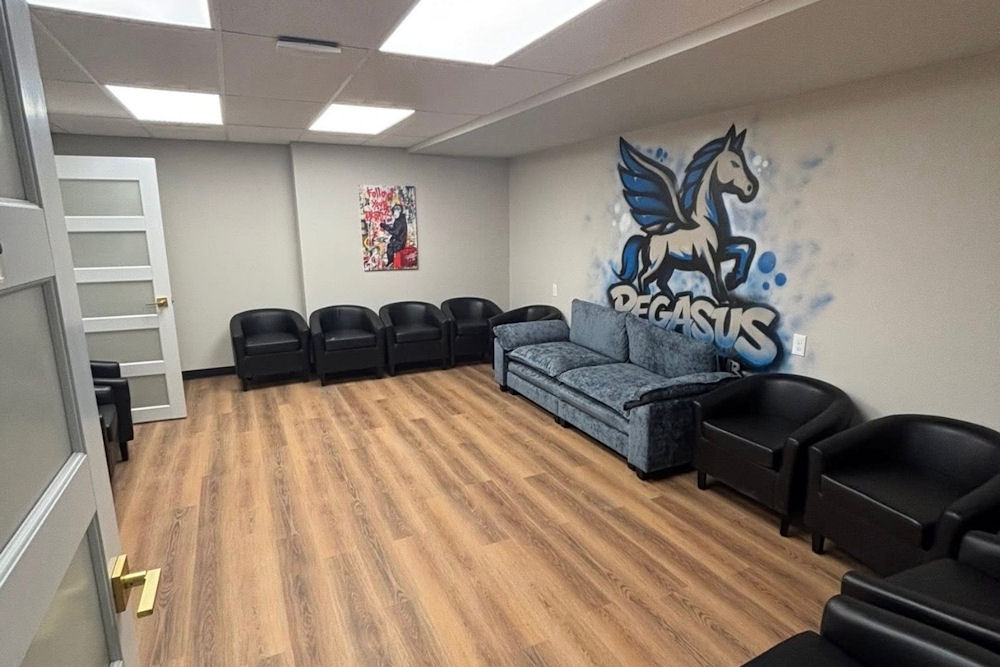
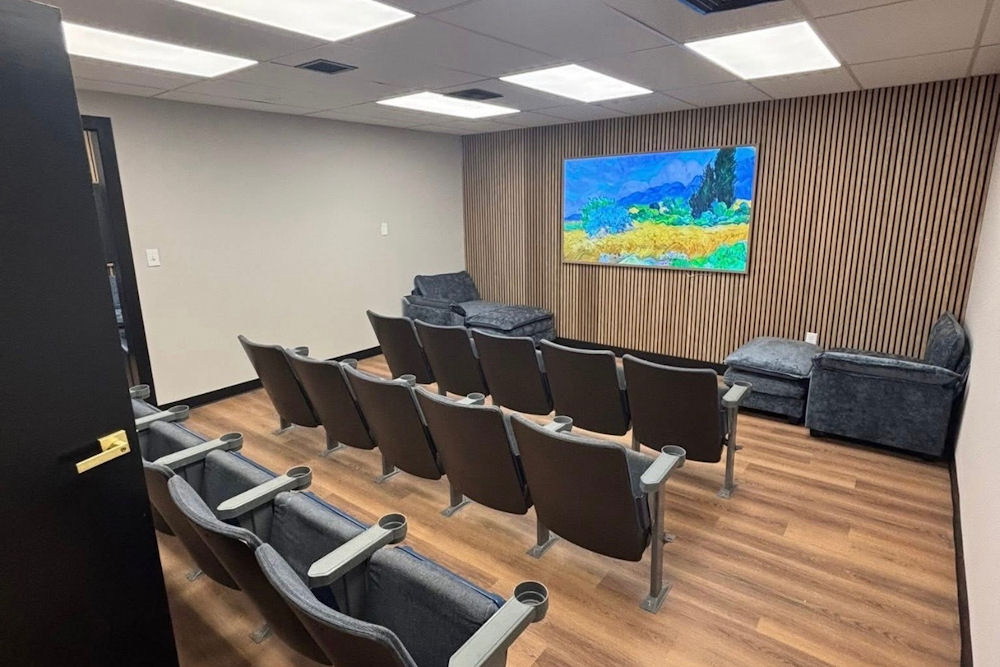
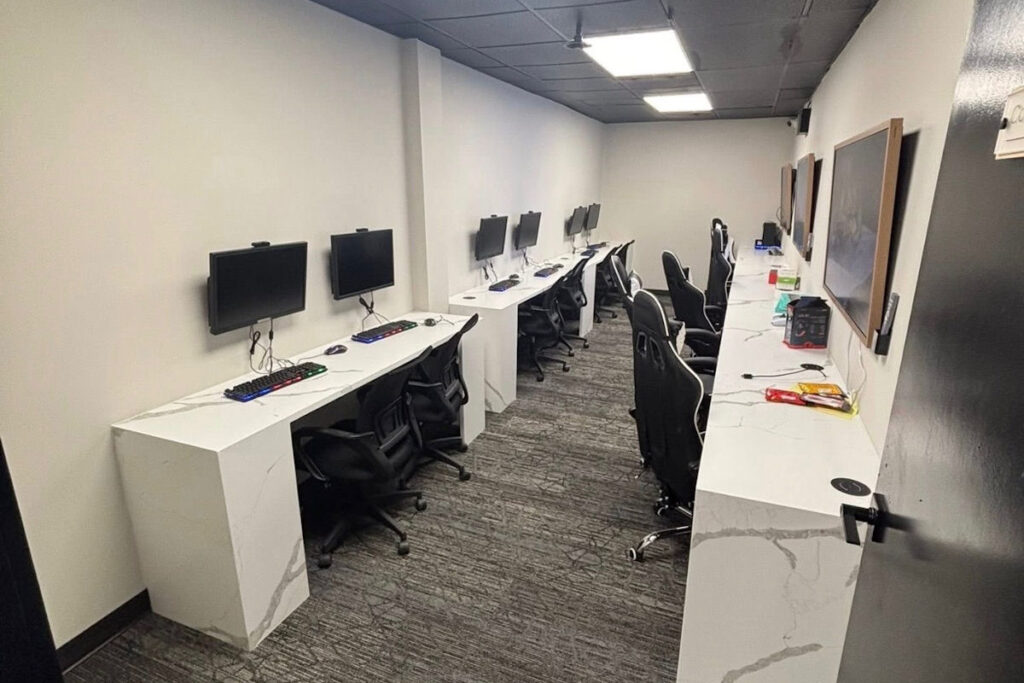
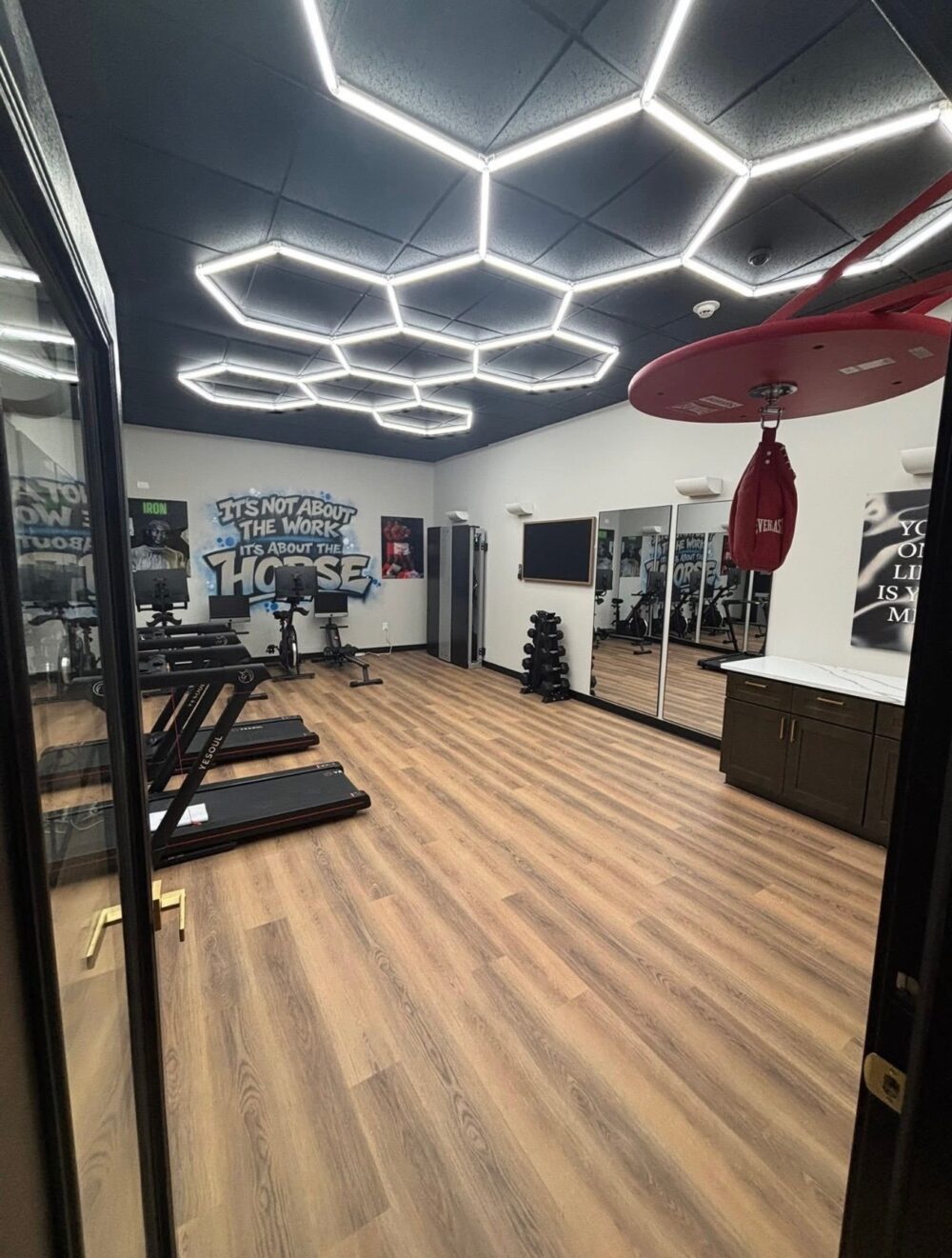
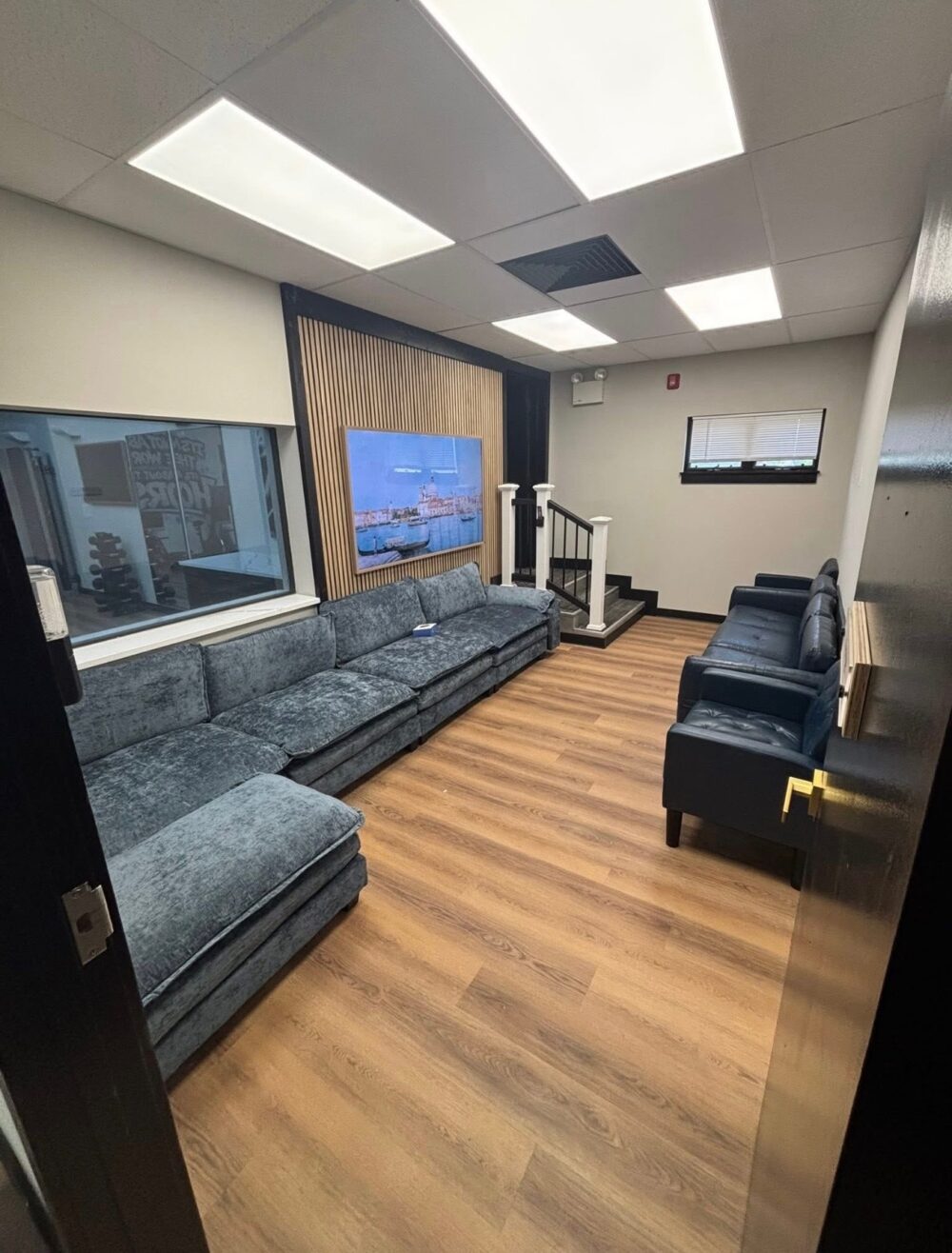
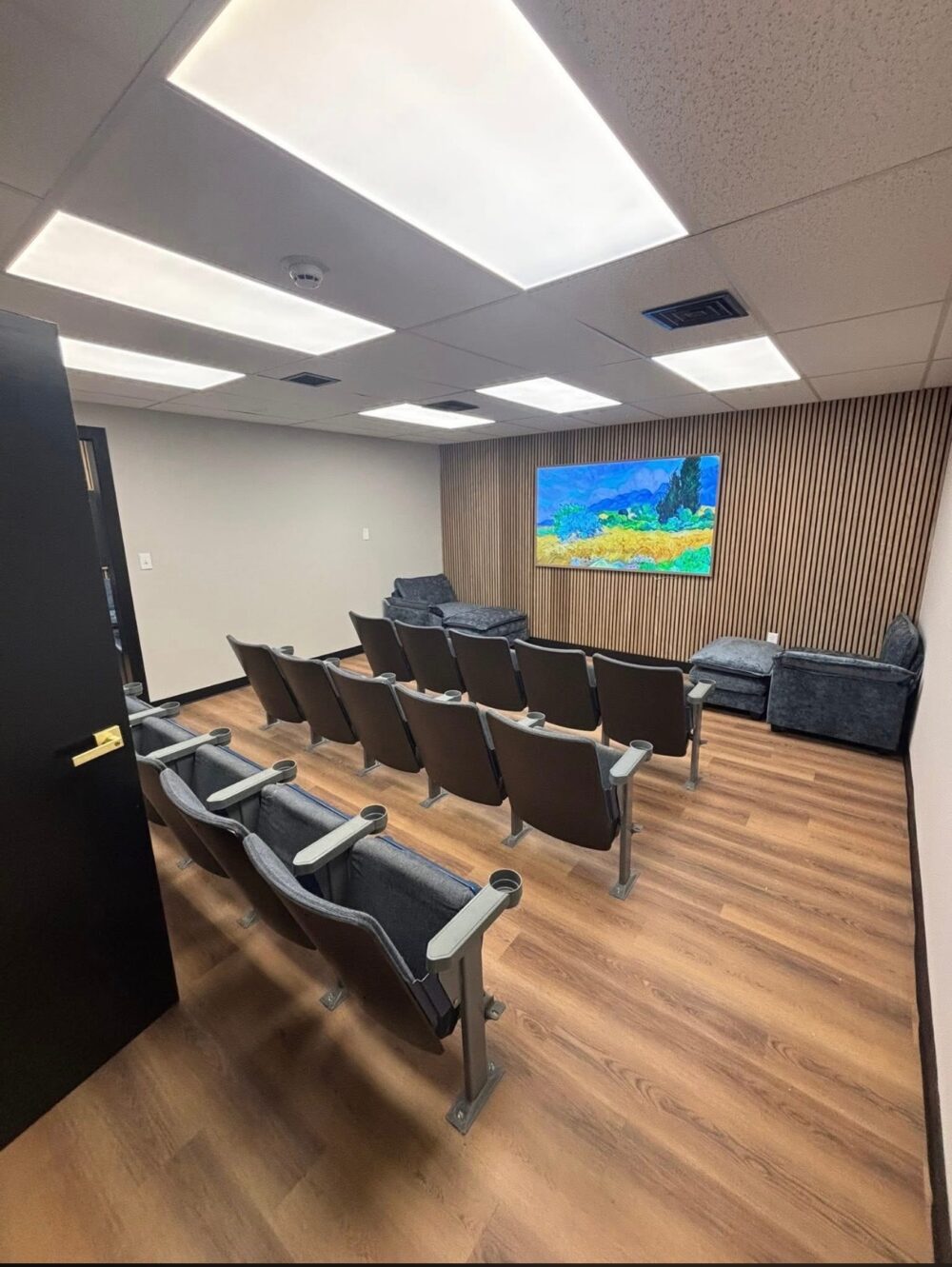
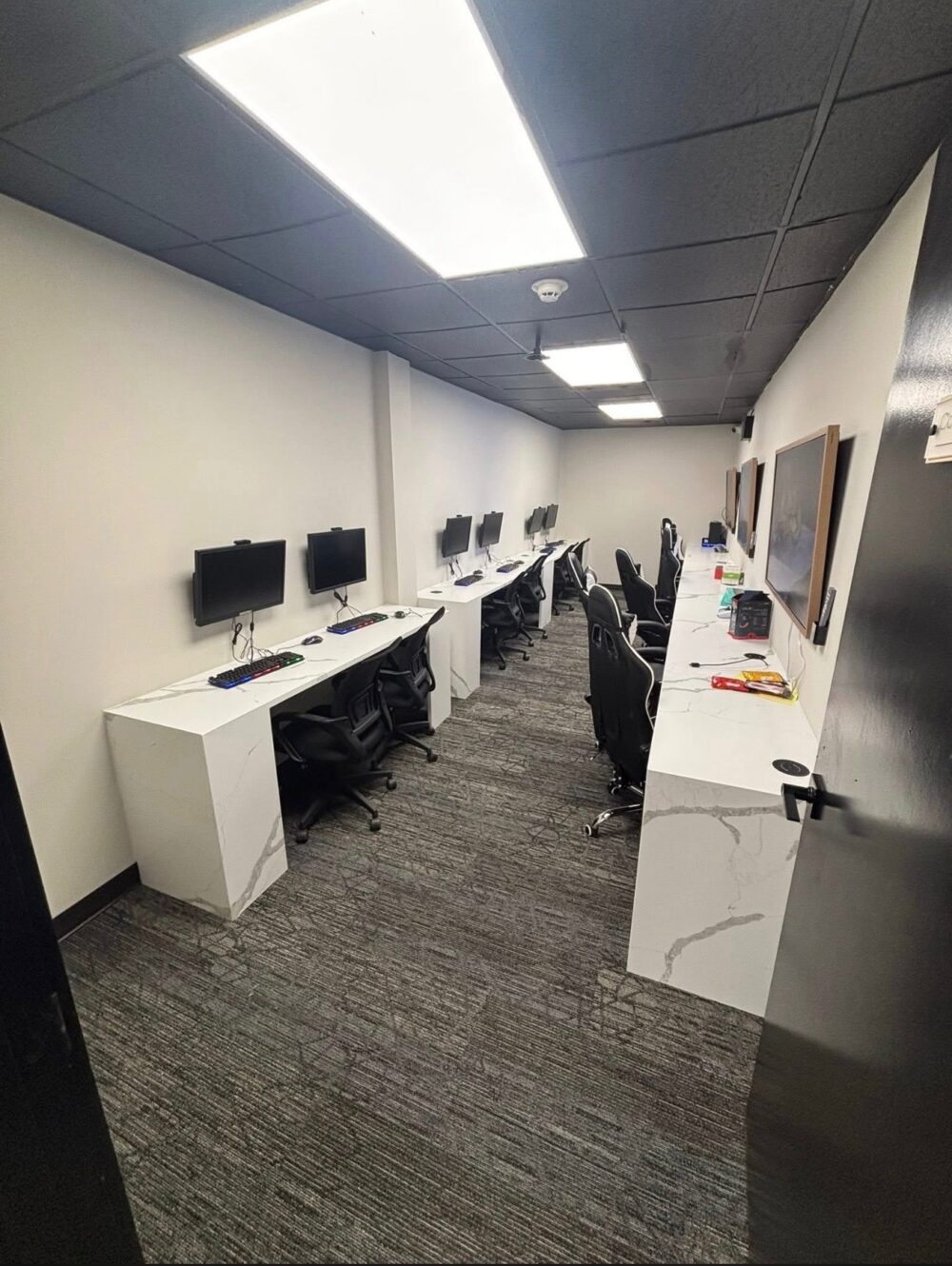
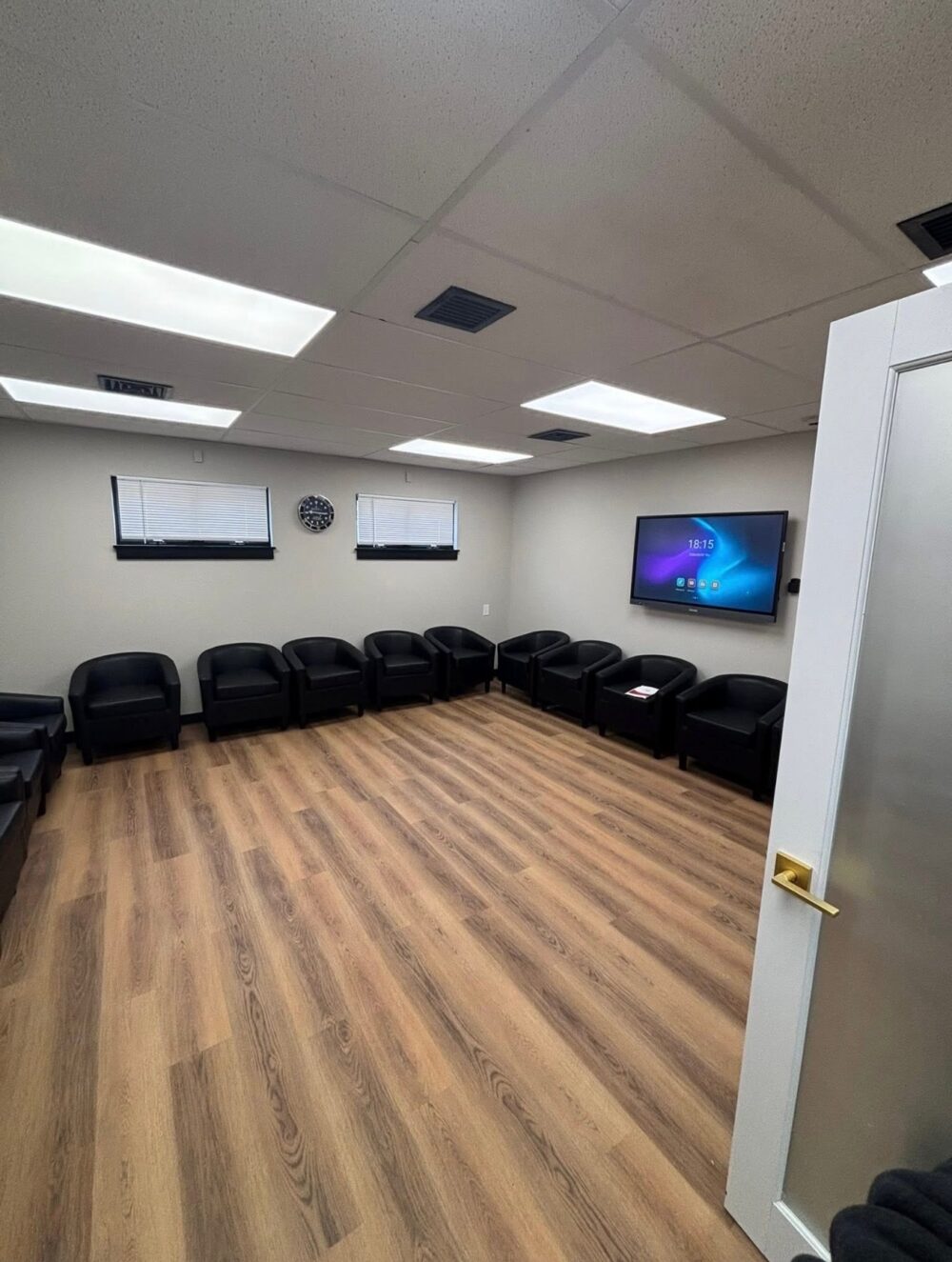
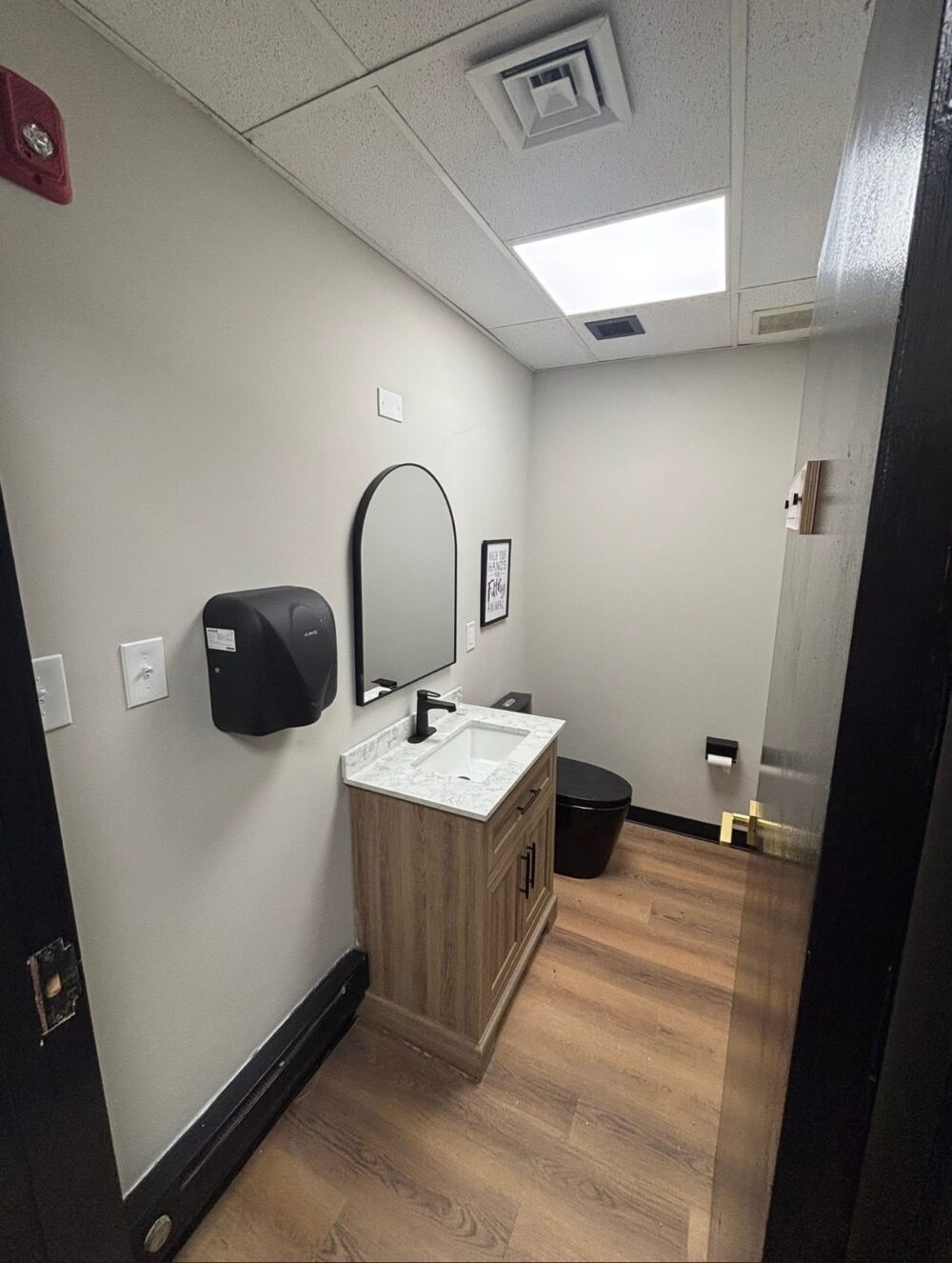
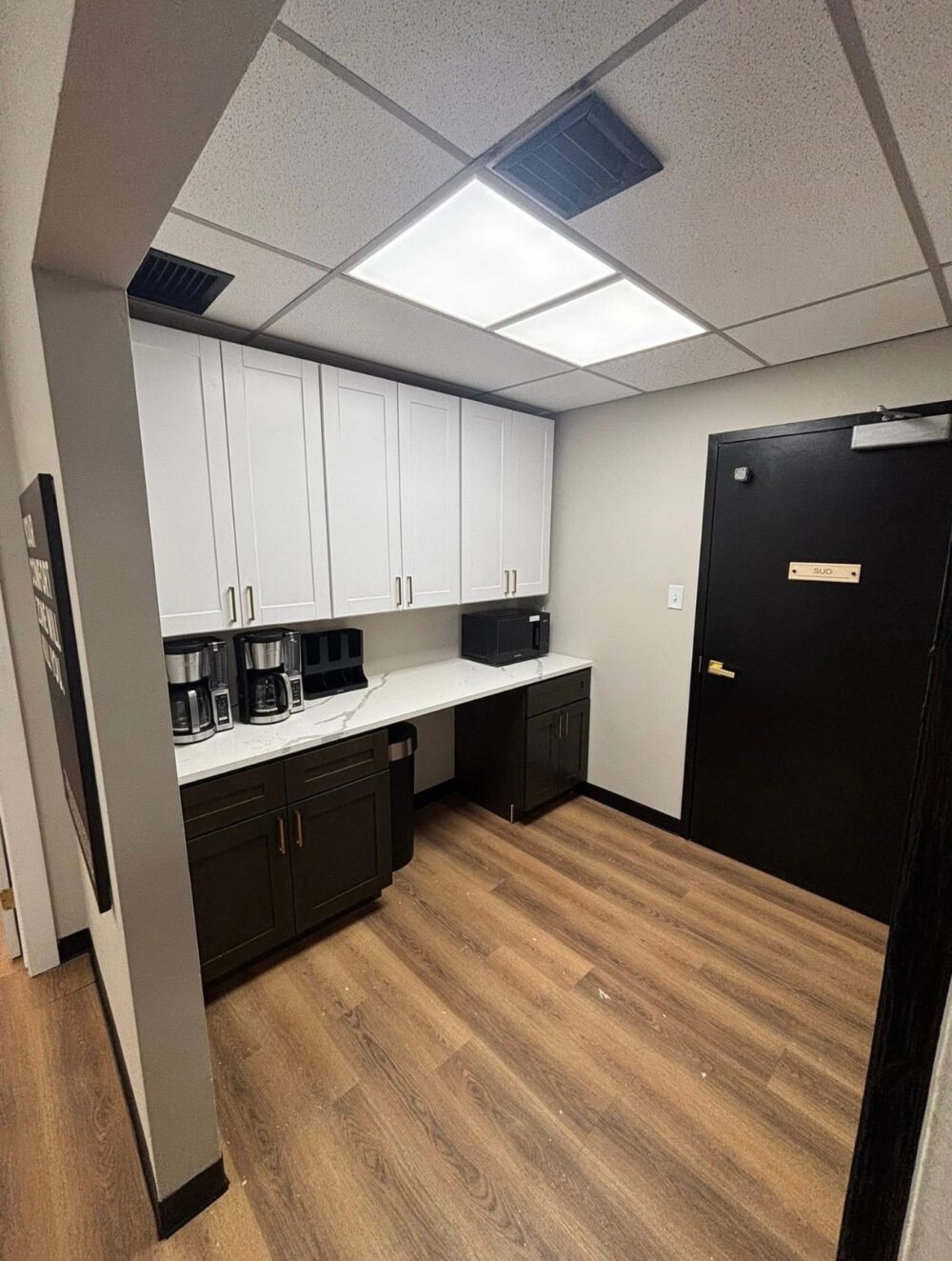
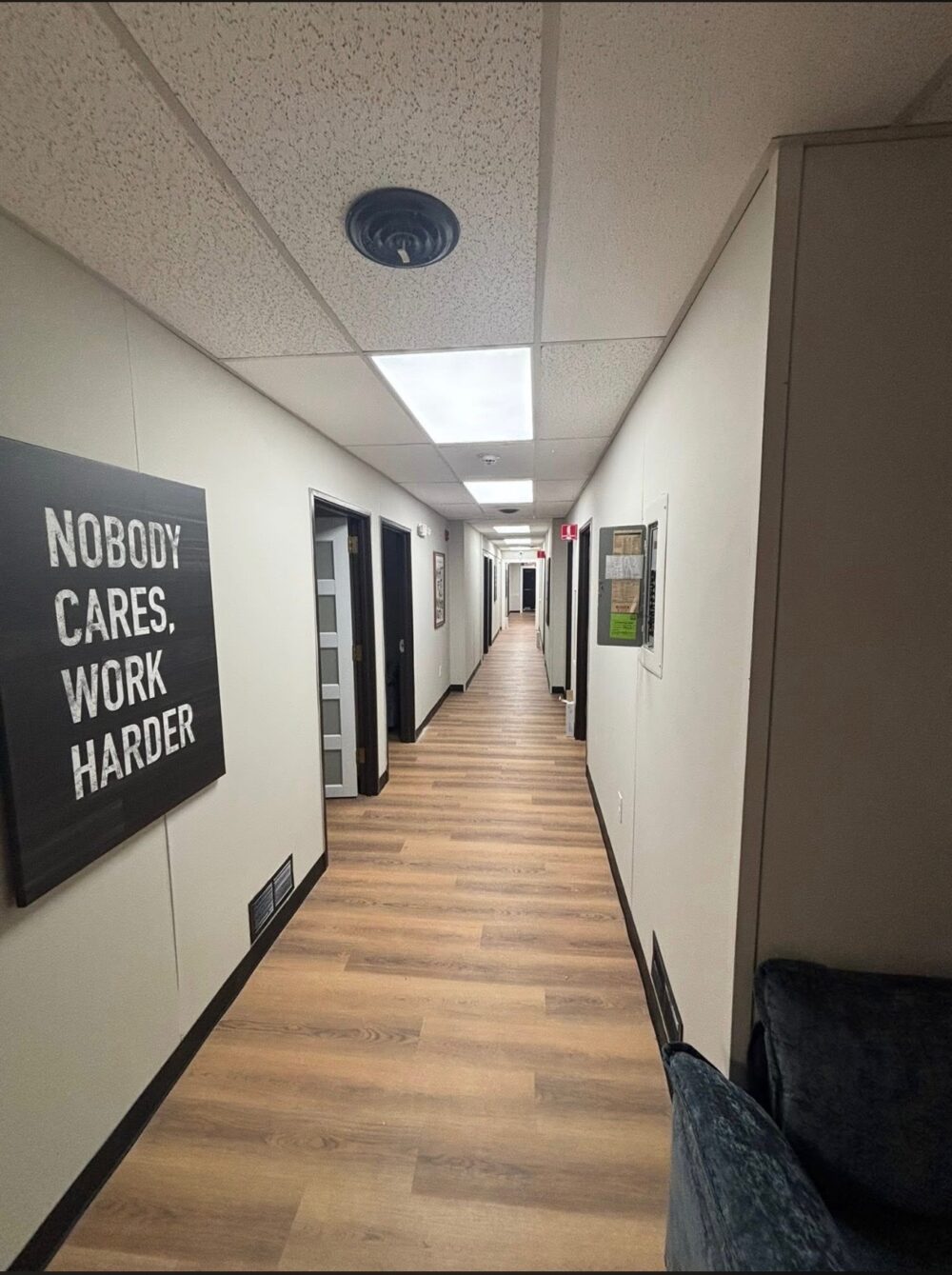
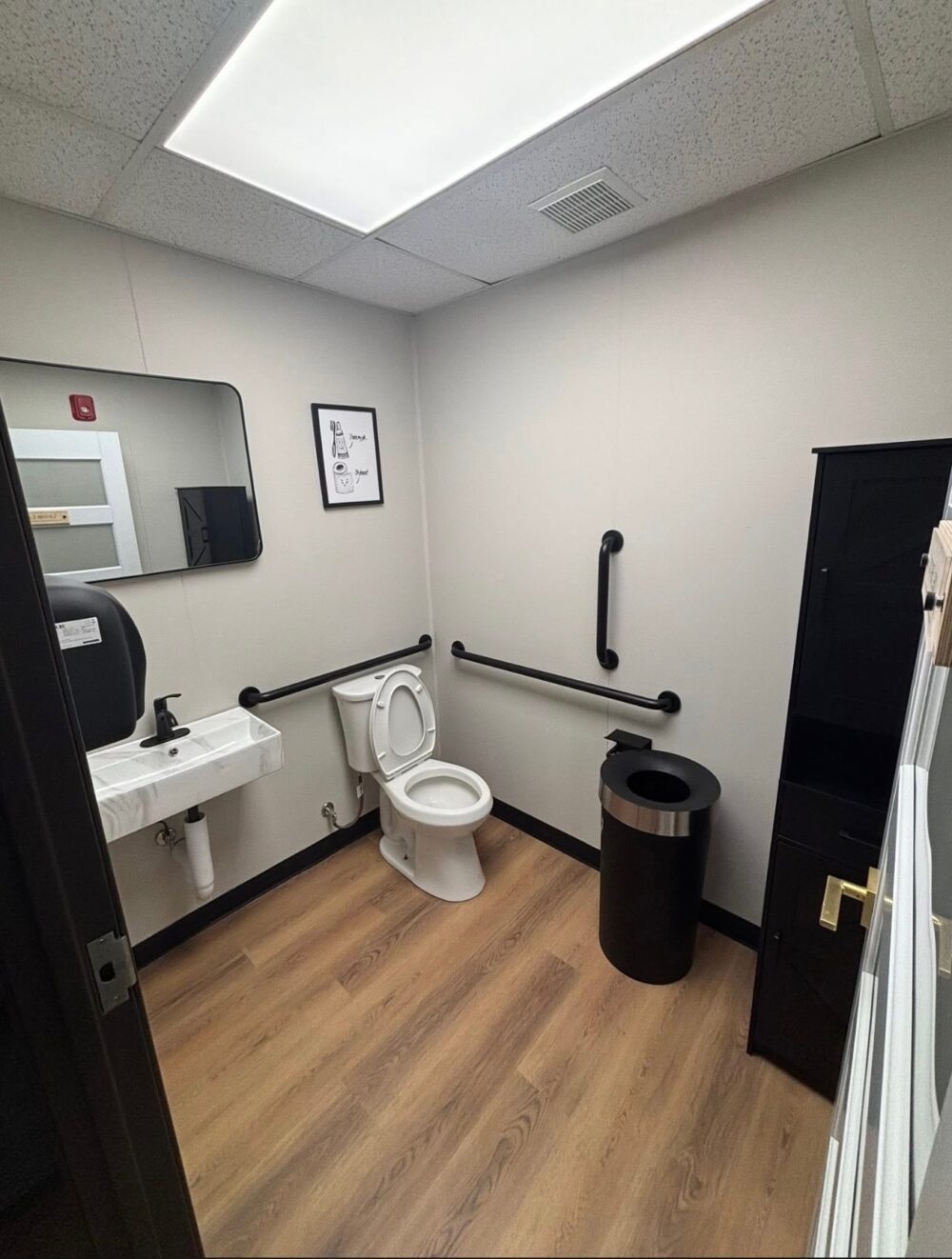
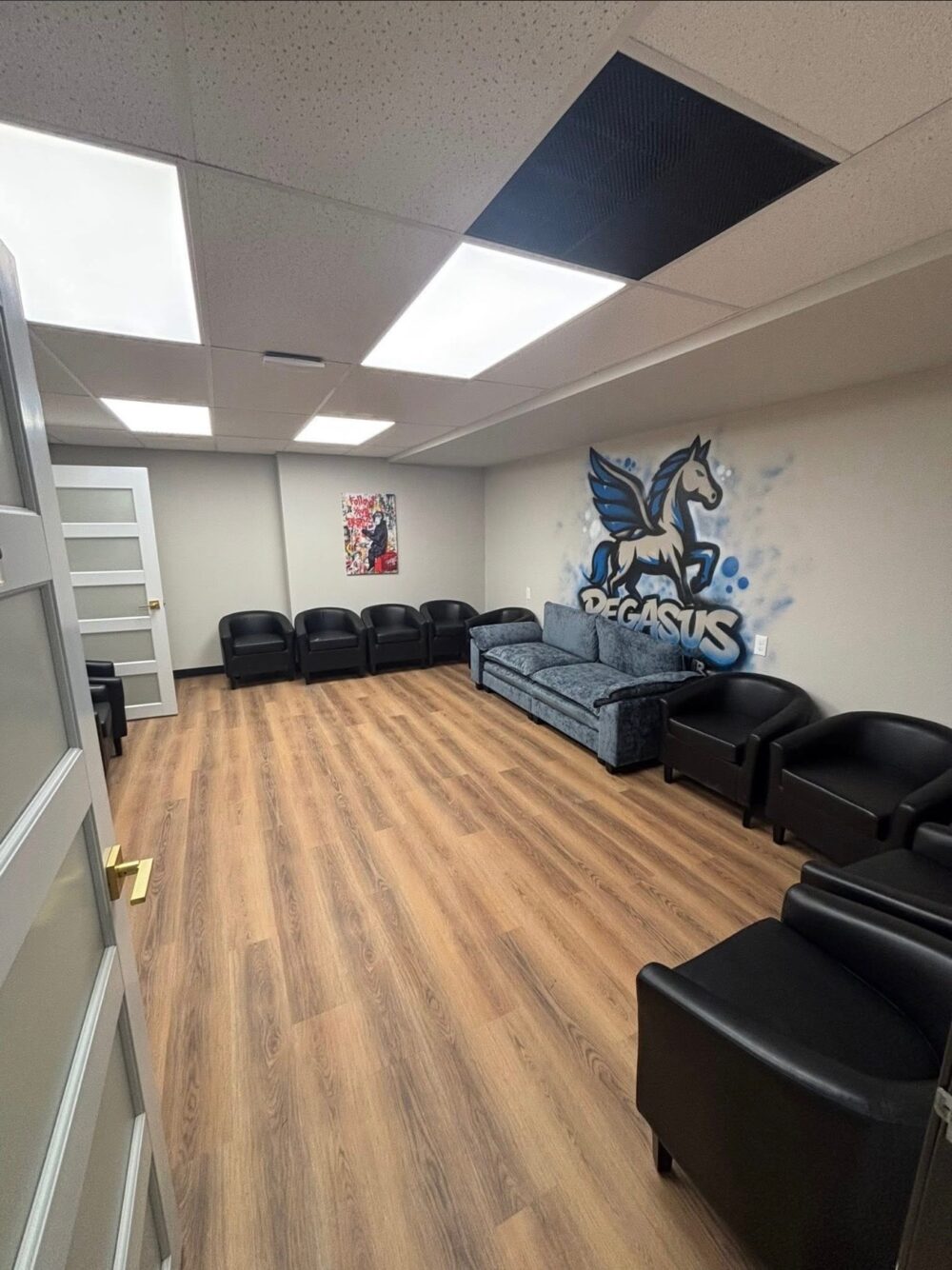
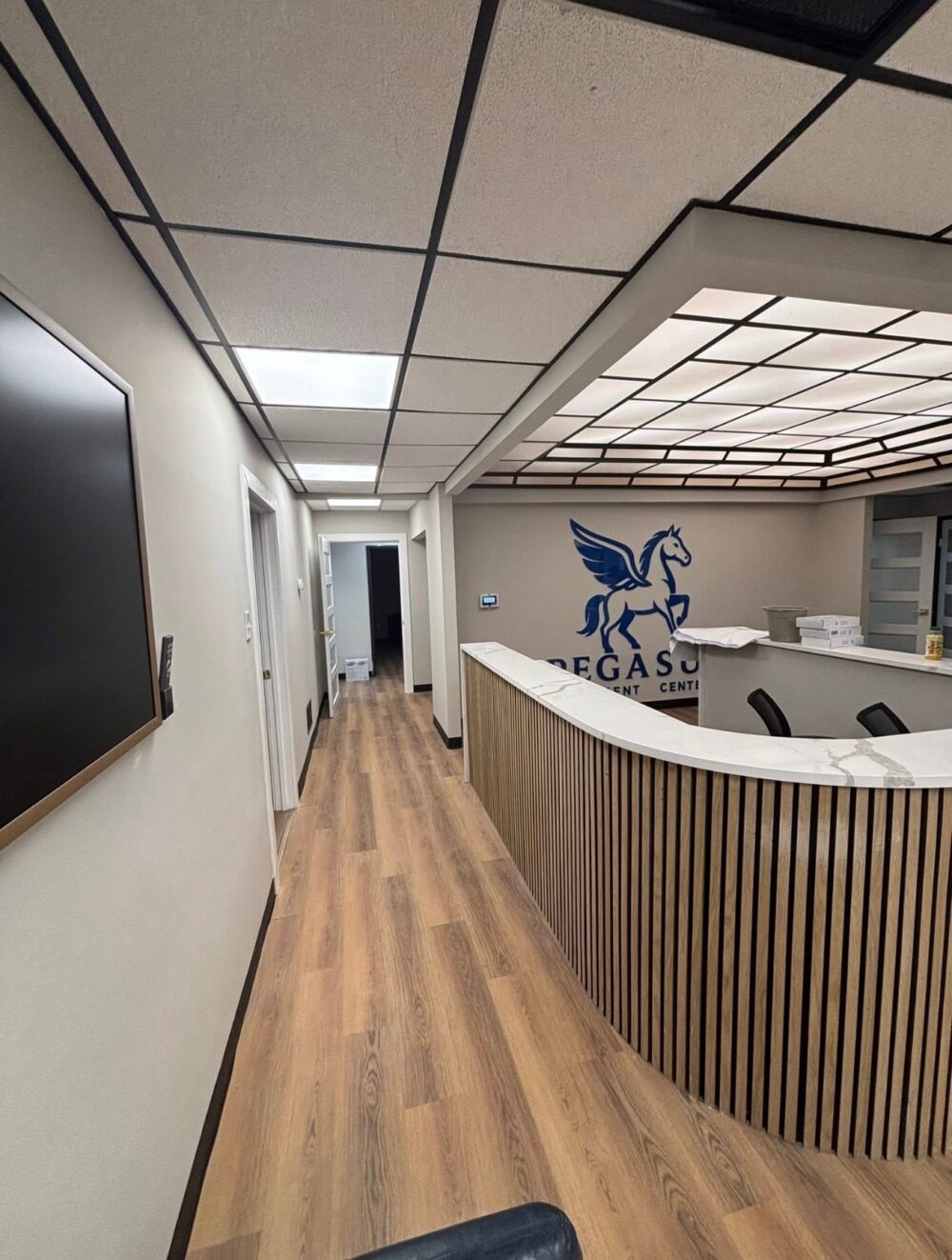
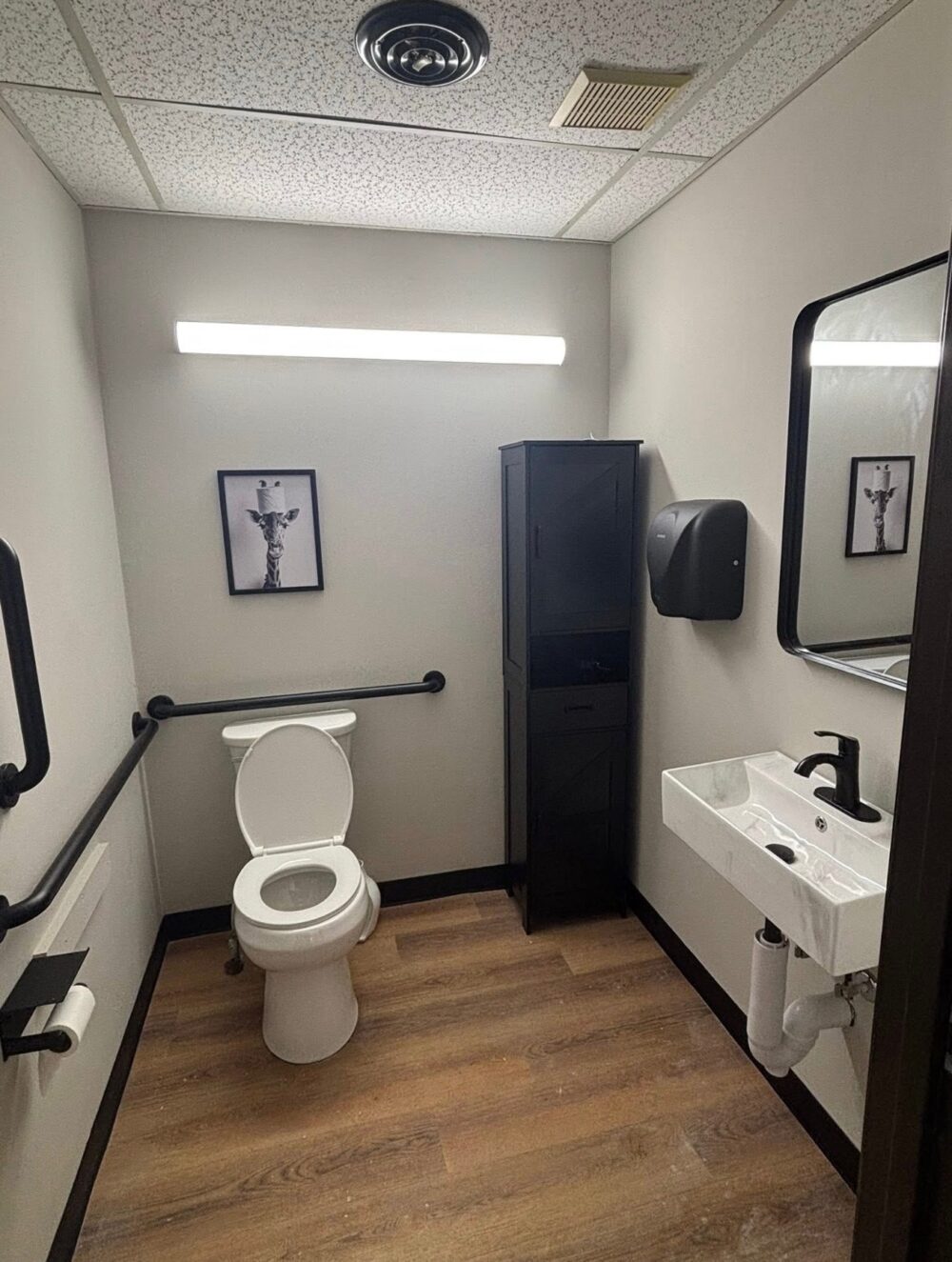
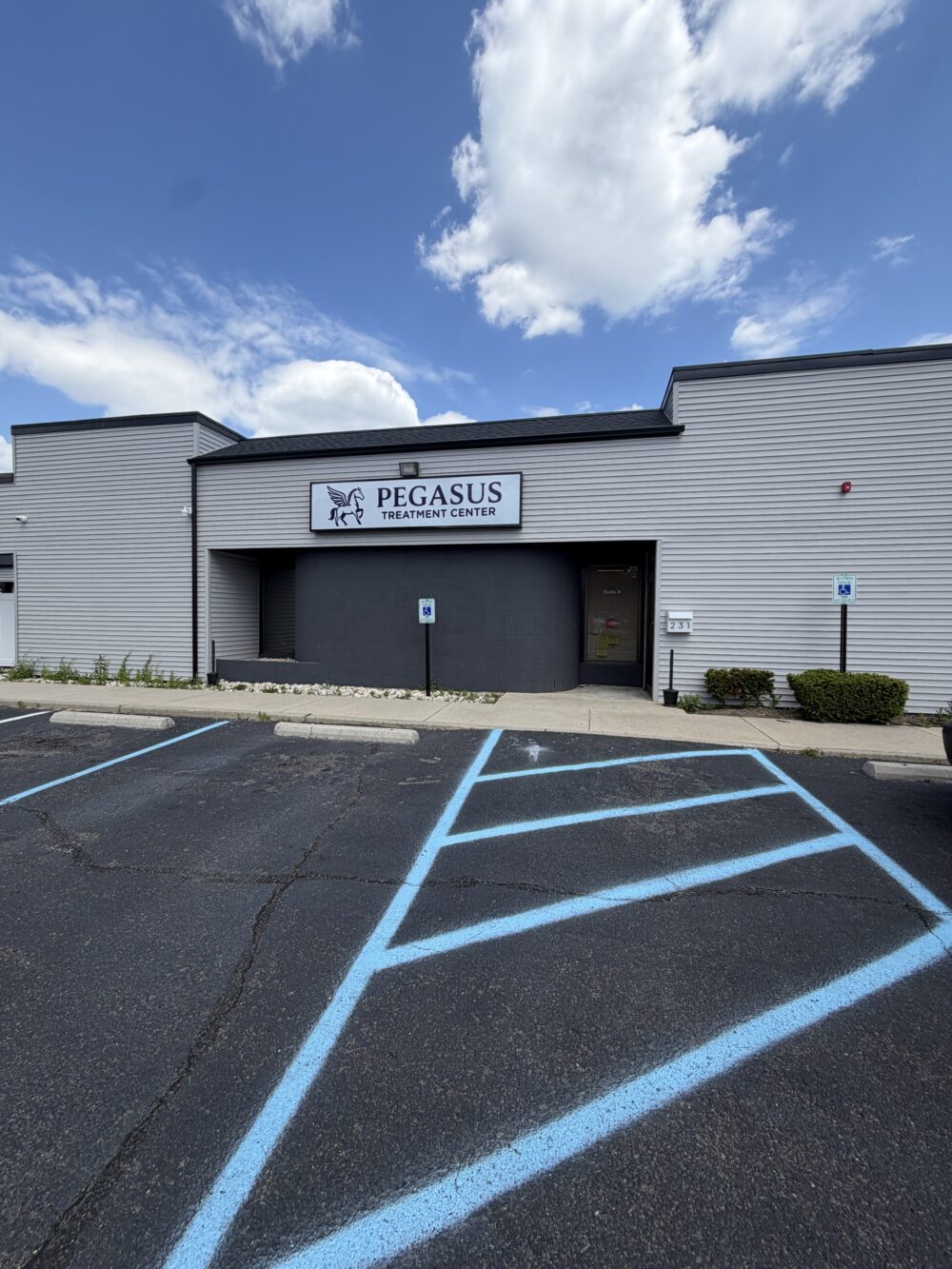
At Pegasus Treatment Center in Willingboro, New Jersey, the facility is built around more than clinical care alone. Our facility offers several luxury amenities. Clients have access to a full gym, a small nail salon and spa, a movie theater, and a video game room, along with an outdoor patio and a full basketball court. Computers are also available so clients can keep up with work, school, or resume building while in treatment. Together, these spaces give clients healthy outlets for stress, movement, and connection with peers, complementing the evidence-based therapies, like CBT, DBT, and MAT, that anchor treatment at Pegasus.
What to Expect During IOP Treatment
Every client starts with a thorough intake and assessment at Pegasus, where our clinical team gathers your history, symptoms, and goals to build a plan specific to you before your first IOP session.
Based on the assessment, a customized treatment plan is created, outlining therapy modalities, session frequency, and goals. Treatment plans are flexible and adjusted as progress is made. Personalization ensures that each participant receives the most effective care.
Progress is regularly monitored through check-ins, assessments, and feedback from participants. Treatment plans are adjusted as needed to address new challenges or goals. Ongoing monitoring helps ensure that recovery stays on track.
After completing IOP, participants receive aftercare planning and ongoing support. This may include referrals to outpatient therapy, support groups, or alumni programs. Continuing care is essential for maintaining progress and preventing relapse.
How to Enroll in Our IOP in New Jersey

Step-by-Step Enrollment Process

Insurance and Payment Options

What to Bring and Prepare

Contact Information and Next Steps
Frequently Asked Questions About Addiction Rehab Programs in NJ
An IOP is a structured outpatient treatment program offering therapy and support several times a week. In New Jersey, IOPs are available at many rehab centers and mental health clinics, providing flexible care for addiction and mental health recovery.
Individuals who need more support than weekly therapy but do not require inpatient care are ideal candidates. This includes those with stable living situations and motivation to participate in treatment.
Most IOPs last 8 to 12 weeks, with the exact duration tailored to individual needs and progress.
Many insurance plans, including Medicaid and private insurance, cover IOP services in New Jersey. Coverage for treatment related to drug addiction varies by policy and should be verified with both the provider and insurer. Check with your provider or the treatment center for specific coverage details, and ask whether they offer payment plans, financial assistance, or other affordability options.
Yes, IOPs are designed to accommodate work, school, and family commitments with flexible scheduling options.
PHPs offer more hours of treatment per week and are more intensive than IOPs. A partial hospitalization program provides a higher level of care than IOP but less than inpatient or residential treatment. IOPs provide significant support but allow for greater independence.
Look for programs with experienced staff, evidence-based therapies, positive reviews, and appropriate accreditation. Consider your specific needs and preferences.
Yes, many centers now offer virtual IOP options, allowing you to participate in treatment from home.
After IOP, you’ll receive aftercare planning and ongoing support, such as outpatient therapy or alumni groups, to help maintain your recovery.

Born and raised in New Jersey, Rebecca is a Licensed Social Worker (LSW) with a deep commitment to supporting individuals and families through life’s most challenging seasons. With a strong clinical background in hospital-based case management, she brings valuable experience from a wide range of healthcare and community settings. As a licensed social worker, Rebecca is known for her compassionate, client-centered approach, strong advocacy skills, and calm presence during times of crisis. Whether helping clients navigate complex systems or providing emotional support, her work is grounded in empathy, professionalism, and a genuine passion for improving lives.